
Creative Uses for Wood Ash From Your Outdoor Fire Pit: Recycling and Disposal Guide
After enjoying a cozy evening around your outdoor fire pit, you’re often left with a pile of wood ash that many people simply dispose of without a second thought.
However, ash from your fire pit can be an incredibly versatile resource with numerous practical applications around your home and garden.
This comprehensive guide explores the many uses for wood ash, proper disposal methods, and important safety considerations to help you make the most of this often-overlooked byproduct of your outdoor fires.
What are the best uses for wood ash from your fire pit?
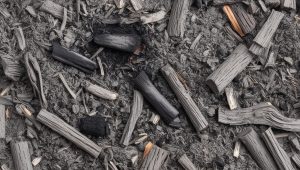
Wood ash from your outdoor fire pit contains valuable minerals and compounds that make it useful for various applications.
Unlike the waste generated from a wood stove or fireplace, outdoor fire pit ash tends to be more exposed to the elements, which can slightly alter its composition.
Nevertheless, wood ash can help in numerous ways around your home, from fertilizing your garden to cleaning household surfaces.
The remains after you extinguish your fire contain potassium, phosphorus, and other trace minerals that plants need, making ash an excellent resource rather than mere waste that needs to be disposed of.
How can wood ash benefit your garden as fertilizer?
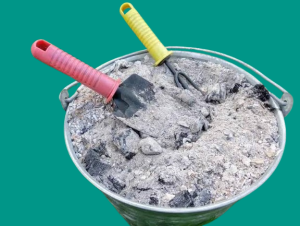
Wood ash is an excellent natural fertilizer for your lawn and garden due to its rich mineral content. The ash left after burning wood contains approximately 10-25% potassium and 1-2% phosphorus, both essential nutrients that plants require for healthy growth.
However, unlike commercial fertilizers, wood ash contains virtually no nitrogen, so it works best when combined with nitrogen-rich materials.
To use wood ash as fertilizer, sprinkle a small amount (about 1/4 inch layer) around the base of your plants, being careful not to let it directly contact stems or leaves.
This application is particularly beneficial for root vegetables like potatoes and carrots, as well as tomatoes, which thrive with additional potassium.
It’s important to note that wood ash’s alkaline nature means it’s most beneficial for acidic soil; therefore, testing your soil’s pH before application is advisable.
Many gardeners incorporate wood ash around plants that prefer less acidic growing conditions, seeing remarkable improvements in plant vigor and production.
What household cleaning applications work with fire pit ash?

The alkaline properties of fire pit ash make it surprisingly effective for various household cleaning tasks. One traditional use involves creating a paste with wood ash and water to clean glass surfaces like fireplace doors and oven windows. The fine, slightly abrasive texture of ash helps remove stubborn, baked-on residues without scratching the glass.
Additionally, you can use wood ash to create a natural scouring powder for metal pots and pans with burned-on food; simply sprinkle a small amount of ash on the affected area, add a few drops of water, and scrub with a cloth or sponge.
Wood ash can also polish silver items through a chemical reaction that helps remove tarnish. For outdoor applications, ash can be used to clean barbecue grills once the ashes are cool and safely handled.
Many homesteaders even use ash to absorb oil spills in the garage or driveway, leveraging its absorbent properties before sweeping it up for disposal.
How can you use wood ash for pest control?
Wood ash serves as an effective natural pest deterrent in your garden without the need for chemical pesticides.
Its alkaline nature makes it particularly useful against soft-bodied pests like slugs and snails, which experience irritation when coming into contact with the ash.
To deter these garden nuisances, create a protective barrier by sprinkling ash around vulnerable plants. The ash works by drying out the slimy protective coating that slugs and snails produce, making it difficult for them to cross.
Similarly, wood ash can help control ant infestations when sprinkled around ant hills or along their trails. Some gardeners also report success using diluted wood ash solutions as a foliar spray to combat aphids and other soft-bodied insects.
For larger pests like rabbits and deer, the alkaline smell of fresh ash may temporarily deter them from nibbling on your prized garden plants.
However, remember that rain will wash away the ash, so you’ll need to reapply after wet weather. When using ash for pest control, be mindful of beneficial insects like earthworms that may also be sensitive to its caustic properties.
How to properly dispose of fire pit ash safely?
Proper disposal of fire pit ash is crucial for both safety and environmental considerations.
Since embers can remain hot and potentially active for days after your fire appears to be out, improper ash disposal presents a significant fire hazard. Before you dispose of ash from your fire pit, ensure it has completely cooled down.
Hot ashes improperly discarded have caused numerous house and wildland fires.
The safest approach is to treat all ash as potentially dangerous until you can verify it’s completely extinguished and cool.
Never use plastic containers, as even seemingly cool ash may contain hidden embers that could melt plastic and potentially start a fire. Instead, use a metal container with a tight-fitting lid specifically designated for ash disposal.
When removing ash from your outdoor fire pit, consider keeping a water source or fire extinguisher nearby as a precautionary measure, especially if you’re disposing of a large amount of ash from multiple fires.
What’s the correct way to store wood fire pit ash?
Storing wood fire pit ash properly is essential both for safety and to preserve its beneficial properties for future use.
The most important factor in ash storage is using a metal container with a tight-fitting lid, as this prevents any remaining embers from causing accidental fires and keeps moisture out if you plan to use the ash later.
A dedicated metal ash bucket with a raised bottom is ideal, as it prevents heat transfer to surfaces underneath. To store wood fire pit ash for garden use, keep it in a dry location, as moisture will leach out the beneficial potassium and other minerals.
If you’re collecting ash over time for a specific project like soap making or to add to your compost pile, consider keeping different types of wood ash separate, as hardwoods like oak and maple generally produce more nutrient-rich ash than softwoods like pine.
Label your storage containers with the date and type of wood if possible, and keep them away from children and pets due to wood ash’s caustic nature. For long-term storage, a galvanized metal trash can with a secure lid stored in a sheltered, dry location like a shed works exceptionally well.
How long should ashes cool before disposal?
Allowing ample cooling time for fire pit ashes is a critical safety measure that cannot be rushed. At minimum, ashes should cool for at least 24 hours before handling or disposal, but 48-72 hours is considerably safer, especially for larger fires.
The cooling process is deceptive because ashes can appear completely cool on the surface while concealing hot embers underneath that retain heat for surprising lengths of time.
These hidden embers pose significant fire risks if prematurely discarded. To accelerate the cooling process safely, you can carefully spread the ashes thinly within the fire pit to allow heat to dissipate faster, but never add water to a large amount of hot ash, as this can create steam burns and potentially crack your fire pit if it’s made of certain materials.
The safest approach is patience—let nature take its course. If you absolutely must dispose of ashes sooner, consider using a metal scoop to transfer small amounts to a metal bucket and then thoroughly drenching each layer with water to extinguish any remaining embers.
However, this wet disposal method will eliminate most potential uses for wood ash in your garden or household projects.
What containers are best for ash disposal?
Selecting the right container for ash disposal is crucial for safety and effectiveness.
Metal containers are undoubtedly the gold standard for storing and disposing of fire pit ash.
Galvanized steel ash buckets specifically designed for ash disposal offer the best safety features, including raised bottoms that prevent heat transfer to surfaces, tight-fitting lids that limit oxygen which could reignite embers, and sturdy handles for easy transport.
Never use plastic containers, cardboard boxes, or paper bags for ash disposal, even if the ashes are cool to the touch, as hidden embers can retain heat for days and ignite these flammable materials.
For temporary holding during cleaning, a metal shovel and metal dustpan provide safe tools for transferring ash.
Some innovative gardeners repurpose old metal trash cans with lids as dedicated ash storage bins, especially when collecting larger amounts for garden use.
If you’re disposing of ash in municipal waste, check local regulations, as some communities require ash to be stored in sealed metal containers for a minimum period before disposal.
When transporting ash to a disposal site, secure your metal container in your vehicle to prevent spills, and never leave it on flammable surfaces like wooden decks or in attached garages.
Can fire pit ash be used in compost and gardening?
Fire pit ash represents a valuable addition to your composting and gardening practices when used correctly.
Rich in potassium and containing beneficial micronutrients, wood ash can help transform your compost into a more balanced soil amendment. When adding ash to compost, the key is moderation and proper integration.
Unlike many organic materials that add to your compost pile, wood ash is not something you can simply pile on liberally.
Its alkaline nature means too much can disrupt the delicate balance needed for proper decomposition. Instead, wood ash should be incorporated in thin layers between other compost materials, allowing it to blend gradually with acidic components like food scraps and leaves.
Many experienced gardeners view fire pit ash as a way to recycle nutrients back into the soil, completing a natural cycle where trees grow, are harvested for firewood, burned in your outdoor fire pit, and then their ashes return valuable minerals to the earth to support new plant growth.
How does wood ash affect soil pH levels?
Wood ash significantly impacts soil pH levels due to its highly alkaline nature, typically registering between 9-13 on the pH scale. When applied to soil, ash from your fire pit works similarly to agricultural lime but acts more rapidly to neutralize acidic soil conditions.
This property makes wood ash particularly valuable for regions with naturally acidic soils or gardens where acid-loving plants like blueberries, rhododendrons, and azaleas aren’t the primary crop.
For context, most vegetables and flowers prefer a slightly acidic to neutral soil pH between 6.0-7.0, so judicious application of wood ash can help achieve this optimal range in overly acidic garden beds. The calcium carbonate in wood ash reacts with hydrogen ions in acidic soil, effectively raising the pH level.
However, this powerful pH-altering capability means you should test your soil’s pH before application, as over-application can make soil too alkaline for proper nutrient absorption.
In highly acidic soils (below 5.5 pH), approximately 1.5 pounds of wood ash per 100 square feet annually can help achieve a more neutral balance.
The pH adjustment from wood ash application typically lasts 1-2 growing seasons, requiring periodic soil testing to maintain optimal levels.
Which plants benefit most from wood ash?
Certain plants thrive with the addition of wood ash to their growing environment, while others can be severely damaged by it.
Plants that naturally prefer alkaline conditions are the best candidates for wood ash applications. Root vegetables like garlic, onions, and turnips often show remarkable growth improvements with modest wood ash amendments.
Brassicas such as cabbage, broccoli, and cauliflower also respond positively to wood ash’s alkaline influence and benefit from its calcium content. Tomatoes, which are prone to blossom end rot (a calcium deficiency issue), often produce better with small amounts of wood ash worked into the soil before planting.
Many flowers including clematis, lilac, and peonies appreciate the potassium boost that wood ash provides. Conversely, acid-loving plants should never have wood ash applied around them. These include blueberries, azaleas, rhododendrons, camellias, and most coniferous trees, which require acidic soil to properly absorb nutrients.
Potatoes present a special case – while they benefit from the potassium in wood ash, applying too much increases their susceptibility to scab disease. For lawns, a light dusting of wood ash (about 10-15 pounds per 1,000 square feet) can help neutralize acidic soil and provide potassium that promotes root development and drought resistance.
What’s the proper ratio of ash to add to compost piles?
Adding the correct amount of ash to compost piles requires careful consideration to maintain the beneficial microbial activity that drives decomposition.
The general rule for incorporating wood ash into compost is to limit it to no more than 5-10% of the total volume of your compost pile. In practical terms, this means adding a thin layer of ash (about 1/4 inch) for every 6-8 inches of other compost materials.
This measured approach prevents the compost from becoming too alkaline, which would inhibit decomposition and potentially create an imbalanced final product.
When adding ash to compost, it’s best to incorporate it in thin layers between brown materials (like dried leaves or cardboard) and green materials (like food scraps or fresh grass clippings). This layering helps distribute the alkalinity throughout the pile rather than creating concentrated pockets that might harm beneficial microorganisms.
Because wood ash contains potassium but virtually no nitrogen, complementing it with nitrogen-rich materials like coffee grounds or fresh manure helps maintain a balanced carbon-to-nitrogen ratio essential for effective composting.
Regularly turning your compost after adding ash helps integrate it more thoroughly and prevents clumping, which could create localized areas of high alkalinity.
For compost intended for acid-loving plants, reduce the ash proportion even further or consider omitting it entirely from dedicated batches.
Are there DIY projects using wood ash from your fire pit?
The versatility of wood ash extends well beyond gardening applications into the realm of DIY projects and traditional crafts. For centuries, people have utilized ash from their fires to create useful products for daily life.
Today, many homesteaders and craft enthusiasts are reviving these practices both for practical purposes and to connect with traditional skills. From soap making to pottery glazes, wood ash from your outdoor fire pit can be transformed into valuable materials for various creative endeavors.
The chemical properties that make ash useful in the garden—primarily its alkaline nature and mineral content—also make it valuable for these DIY projects.
Before modern industrial processes, ash was a critical resource for creating cleaning products, preservatives, and even medicinal treatments.
By repurposing fire pit ash for creative projects, you’re participating in a tradition of resourcefulness that spans human history while also reducing waste from your outdoor gatherings.
How to make lye from fire pit ash for soap making?
Creating lye from fire pit ash represents one of the oldest chemical processes practiced by humans and serves as the foundation for traditional soap making.
To make lye, you’ll need to leach the soluble potassium compounds from wood ash through a process called “running ash water.” Start by collecting ash from hardwoods like oak, maple, or hickory, as these produce the strongest lye.
Construct a leaching barrel by drilling small holes in the bottom of a wooden or plastic barrel, then place a layer of gravel and straw inside to create a filter. Fill the barrel about half full with wood ash, then slowly pour rainwater or distilled water (not tap water, which contains minerals) over the ash.
The water will slowly filter through, extracting the alkaline compounds. This liquid, called “potash lye” (potassium hydroxide), will drip from the bottom of the barrel and should be collected in non-reactive containers like glass or ceramic.
Traditional soap makers tested the lye’s strength by floating an egg or potato in it—when the item floated with a specific amount exposed (about the size of a dime), the lye was properly concentrated.
Modern soap makers should use pH strips or a digital pH meter to ensure the lye solution reaches approximately 13 on the pH scale. This homemade lye can then be combined with rendered animal fats or vegetable oils in precise proportions to create soap through the saponification process.
Always wear protective gear including eye protection, gloves, and long sleeves when working with lye, as it’s extremely caustic and can cause serious chemical burns.
Can you use wood ash for creating natural dyes?
Wood ash serves as a valuable ingredient in natural dyeing processes, both as a mordant to help fix dyes to fibers and as a pH modifier that can dramatically alter color outcomes.
To use wood ash to create natural dyes, you can make an alkaline solution by soaking wood ash in water for several days, then straining the liquid to create what’s traditionally called “ash water.”
This ash water, rich in potassium carbonate, can modify the pH of your dye bath to produce different color variations from the same plant material.
For example, madder root typically produces red in an acidic environment but shifts toward purple tones in an alkaline ash water solution.
Similarly, onion skins will yield golden yellows in neutral conditions but move toward amber and orange hues when ash water is added. Beyond modifying colors, ash water can also serve as