
Introduction to Outdoor Living Spaces
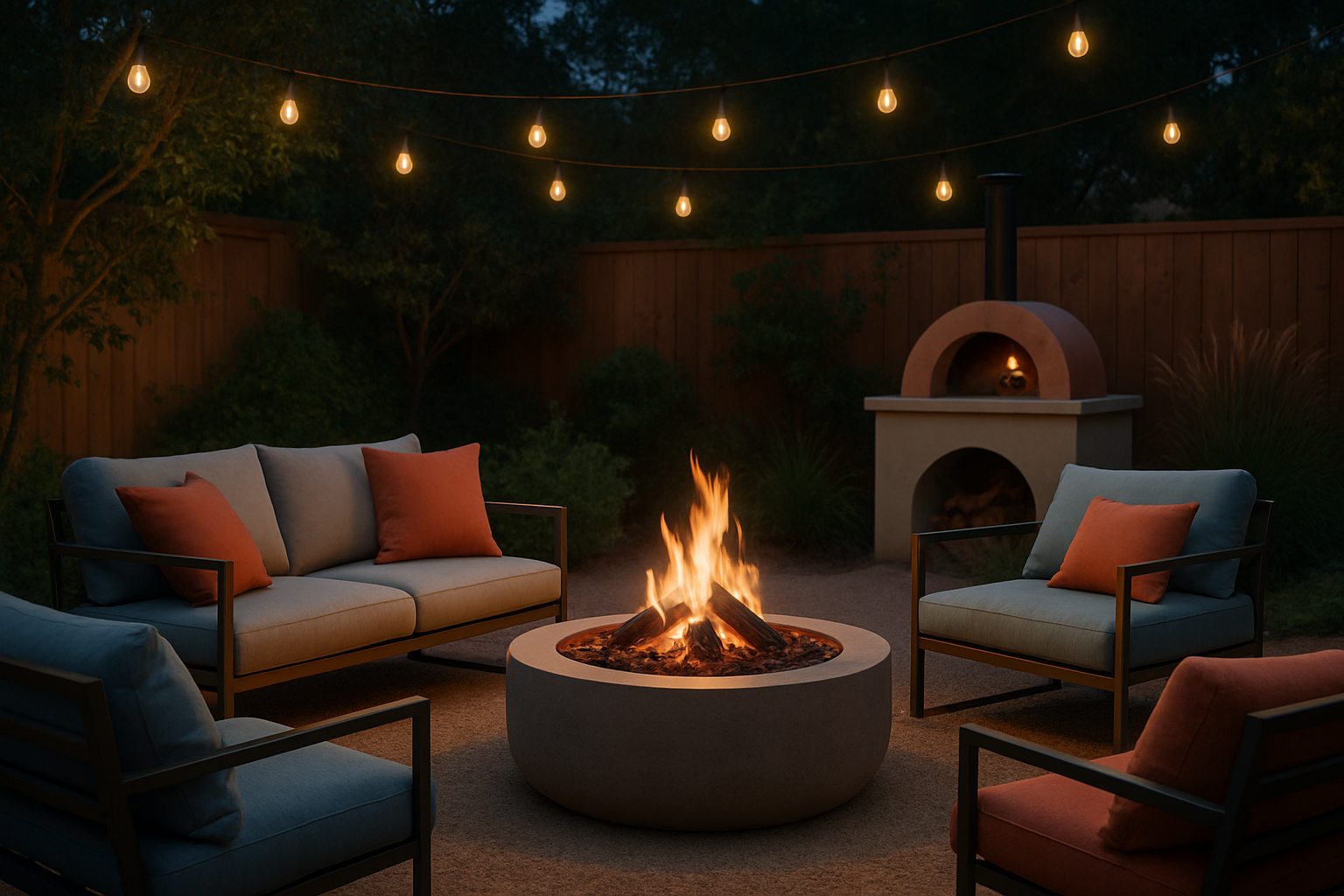
Imagine spending a warm summer evening in your backyard, surrounded by friends and family. The fire pit flickers softly, casting a warm glow, kids play nearby chasing fireflies, and the aroma of a pizza baking in the outdoor oven fills the air. Moments like these capture the essence of outdoor living spaces, which have become a significant focus for home design in 2025. These spaces are no longer just decorative additions; they represent a way to extend indoor comforts into the open air, creating versatile areas tailored to relaxation, socializing, and everyday living.
Whether your outdoor area is a large garden or a compact balcony, the appeal of transforming it into a lively, functional space is universal. This transformation allows homeowners to enjoy the benefits of nature while maintaining the convenience and aesthetic continuity of their home. Understanding the fundamentals and the latest approaches to outdoor design can help you craft a space that reflects your lifestyle and enhances your living experience.
The Growing Popularity and Benefits of Outdoor Living Areas
Outdoor living areas have seen a remarkable surge in demand recently. Research highlights the tangible benefits these spaces offer. For instance, spending just 20 minutes outdoors has been shown to reduce stress by lowering cortisol levels. This effect enhances mental clarity and emotional balance. Homebuyer trends reinforce this shift, with a majority expressing a desire for functional outdoor amenities when searching for new residences. Many renovation projects today include patios, decks, and other outdoor features as essential upgrades.
Beyond aesthetics, outdoor spaces contribute to stronger social connections and provide multifunctional environments. Families find these areas perfect for bonding, children have safe places to play, and individuals can adopt outdoor remote work setups, blending productivity with the calming influence of nature. Homeowners like Jenna and Mark exemplify this trend; by reinventing their patio, they created not only a personal retreat but a hub for neighborhood gatherings and celebrations.
Designing an Inviting Outdoor Space with Functional Zones
Creating a memorable outdoor living environment often hinges on thoughtful design that divides the area into functional zones. Like rooms inside a house, each zone caters to different activities, offering flexibility and enhancing usability.
A dining area serves as the centerpiece for meals shared alfresco. Selecting durable materials—such as teak or powder-coated aluminum—ensures longevity despite exposure to the elements. Providing shade with pergolas or umbrellas improves comfort during sunny days.
Next comes the lounging zone, where plush seating like sectionals or hammocks invites relaxation. Incorporating cushions with vibrant patterns injects color and personality. This space becomes ideal for unwinding or casual conversations.
Adding a cooking zone elevates the outdoor experience, transforming meals into engaging social events. Outdoor kitchens equipped with grills, countertops, and sinks offer convenience. Including features like pizza ovens brings flair and practical fun to culinary endeavors.
Finally, an activity area, whether a lawn for sports or a quiet nook for meditation, completes the setup. These well-defined zones encourage diverse uses and seamless transitions between them.
Enhancing Your Outdoor Space with Essential Features and Technology
Certain features can significantly boost the enjoyment of outdoor areas by increasing comfort and usability. Fire pits are particularly popular, offering warmth and ambiance for gatherings that extend into the evening. Choosing between gas or wood-burning options allows homeowners to match their preferences and local regulations.
Comfortable seating made from weather-resistant fabrics maintains visual appeal and provides lasting use despite fluctuating weather conditions. Lighting plays a crucial role in defining atmosphere; options range from string lights to solar lanterns, offering adjustable brightness that suits different occasions.
Greenery also enhances outdoor spaces, introducing natural beauty and tranquility. Potted plants, vertical gardens, or native shrubs contribute texture and color, while water features like small fountains add a serene auditory element without demanding excessive maintenance.
Technology is increasingly integrated to improve function. Smart lighting systems enable easy control over brightness and color through applications, creating varied moods without manual effort. Weatherproof speakers provide immersive sound for entertainment, blending into the environment unobtrusively. Automated awnings, equipped with sensors, adjust shade in response to changing weather conditions, ensuring outdoor areas remain comfortable throughout the day.
Incorporating these elements thoughtfully creates an environment that is both welcoming and practical, enhancing the overall experience.
Creating Seamless Flow Between Indoor and Outdoor Areas
A highly effective outdoor space feels like a natural extension of the home, where the transition from inside to outside is fluid and inviting. One of the key methods to achieve this is through architectural features such as wide sliding doors or accordion walls, which open to merge living areas with patios or terraces.
Matching flooring materials across interior and exterior spaces enhances visual continuity. For example, using wood-look tiles on both kitchen floors and outdoor decks creates a cohesive look. Extending interior color palettes into outdoor zones further strengthens this connection.
One project from Miami demonstrates how a shared countertop spanning the indoor kitchen and outdoor terrace can link two spaces functionally and stylistically, enabling an effortless flow for entertaining guests.
This approach appeals to the innate human preference for open, airy environments, making the home seem more spacious and adaptable, inviting inhabitants to enjoy both comfort and the outdoors simultaneously.
Key Outdoor Living Design Trends for 2025
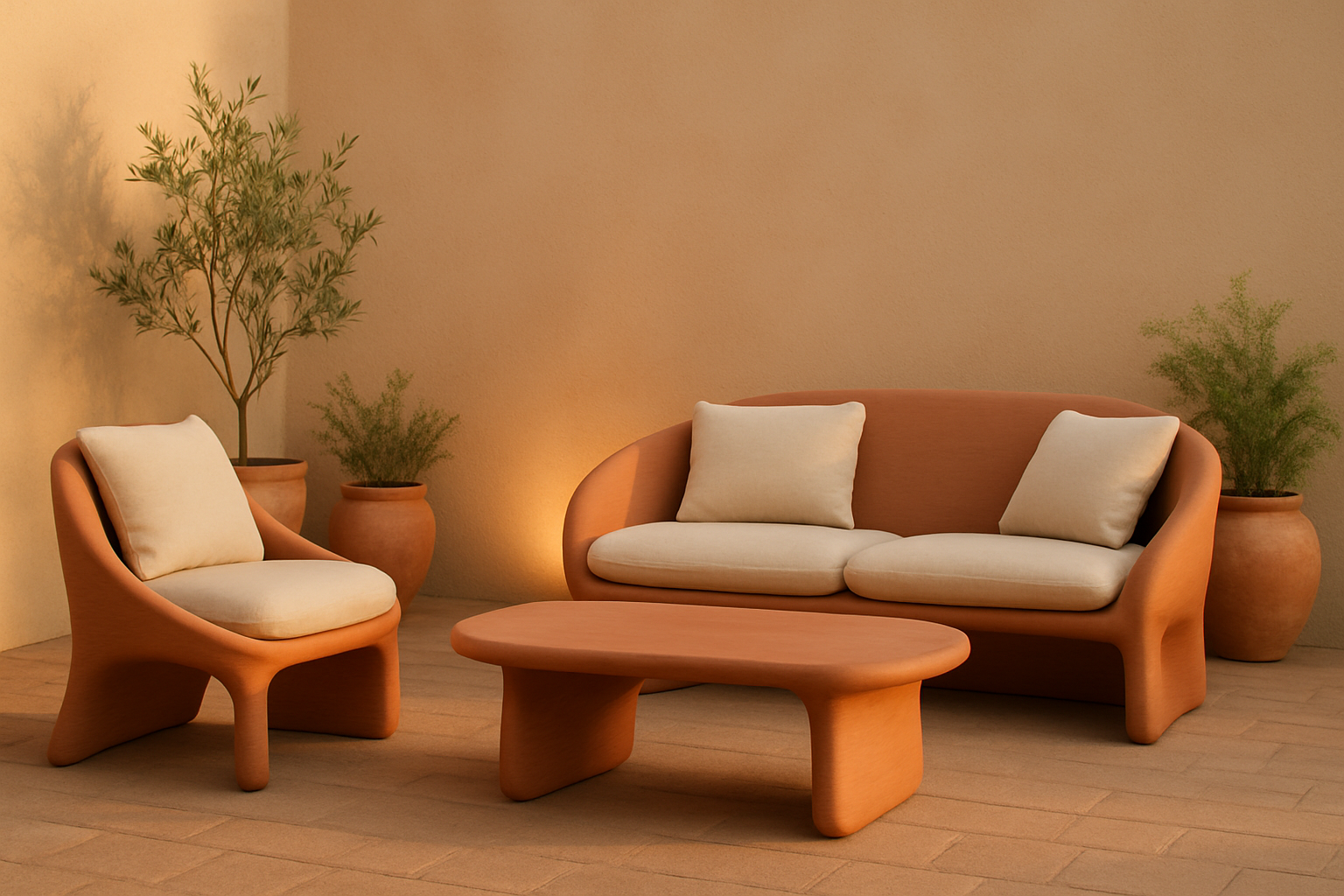
Design trends this year center on personality and lifestyle expression. “Organic modern” style combines curved furniture and earthy shades like terracotta, inviting warmth and softness. “Coastal chic” draws inspiration from nature’s coastal elements, with whites, blues, and rope textures creating a breezy, beach-inspired feel.
For urban residents, the “urban minimalism” trend offers sleek lines and compact arrangements that optimize smaller spaces without sacrificing style.
Interest in outdoor living has risen notably; search activity related to outdoor design has increased by fifty percent, underscoring homeowners’ enthusiasm for unique and personalized spaces.
Choosing a style aligned with personal taste—whether for quiet contemplation or lively entertaining—ensures the outdoor living area resonates with those who use it.
Practical Guidelines for Building Your Outdoor Oasis
Starting the creation of an outdoor space requires realistic planning. Budgeting upfront helps clarify priorities. Basic patios may cost between $5,000 and $10,000, while fully equipped setups including kitchens and pergolas can exceed $25,000.
Prior to construction, consulting local permitting offices is advisable, especially for larger structures like pergolas or permanent kitchens.
Deciding between DIY efforts and professional help depends on project complexity. While simple features like furniture building can often be tackled by enthusiastic homeowners, more intricate installations usually necessitate expert involvement.
Materials selection plays a vital role in durability and sustainability. Reclaimed wood and permeable pavers are environmentally friendly choices that also add character.
For those on limited budgets, starting small is an excellent option—a fire pit and a few seats can redefine an outdoor area for less than $2,000.
Maximizing Benefits and Adding Value to Your Home
Outdoor living spaces contribute beyond enjoyment; they also provide health and financial advantages. Spending time outside fosters stronger social bonds and improves mental well-being through nature’s calming effects.
From a real estate perspective, investing in quality outdoor areas can increase home value by 10 to 15 percent, offering substantial returns during resale.
Families embracing these spaces, like the Carters of Raleigh, notice a positive impact on daily life; their teens spend more time interacting in the backyard instead of on screens, enhancing family dynamics.
Thus, the addition of outdoor amenities offers multifaceted benefits, enriching home life both socially and economically.
Addressing Common Outdoor Design Challenges
Every outdoor project encounters obstacles, but practical solutions can ensure lasting satisfaction. Weatherproofing using materials such as teak or sealed concrete extends the life of furniture and structures, especially in variable climates.
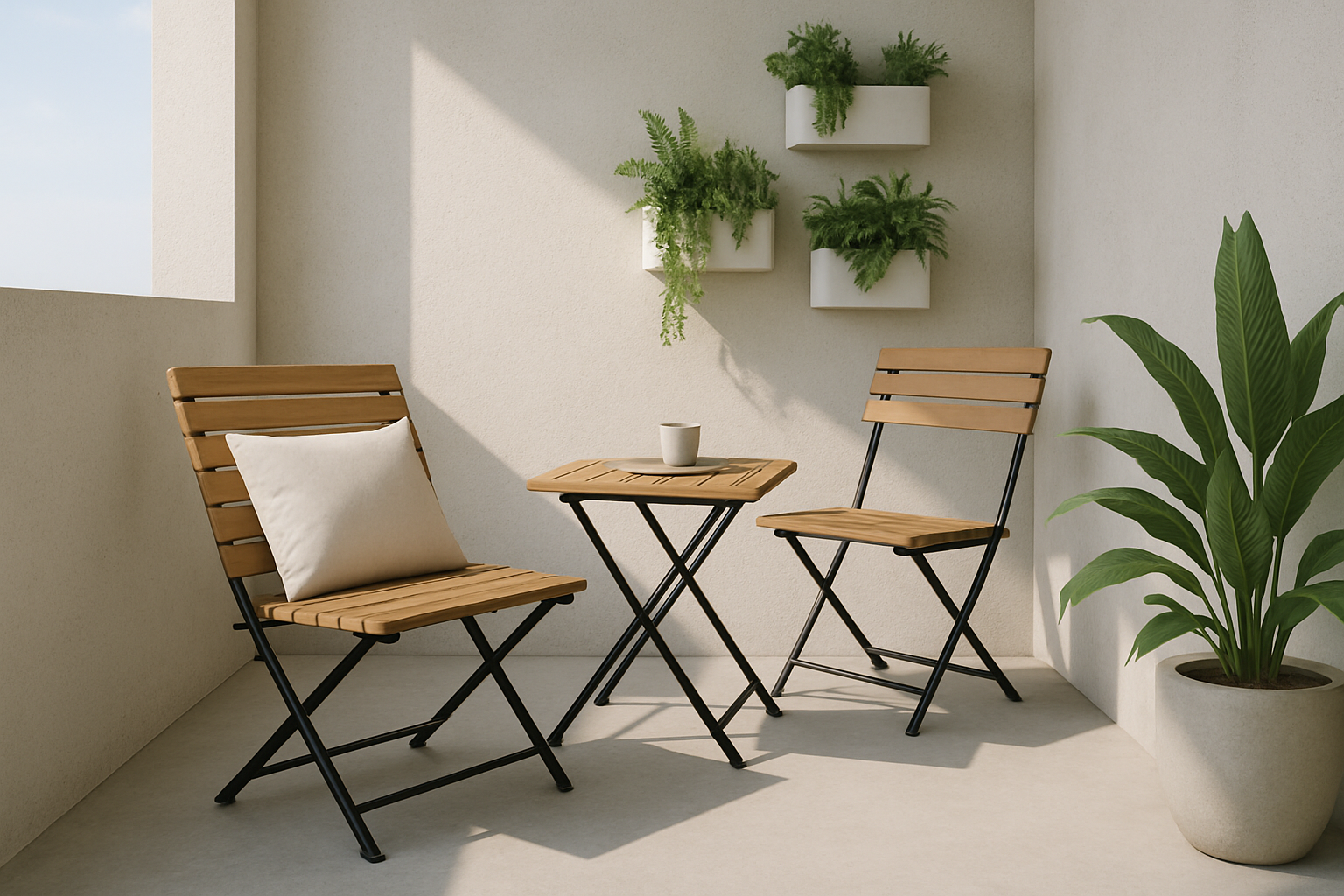
Limited outdoor space need not be a hindrance. Innovative options like foldable furniture and vertical gardens maximize usability in compact areas.
Maintenance concerns can be eased by selecting native plants adapted to local conditions and installing covers for furniture to minimize wear.
Real-life examples prove creative ingenuity pays off: a renter in Chicago transformed a mere six-by-eight-foot balcony into a stylish lounge featuring a bistro set and wall planters, showing small spaces can thrive with thoughtful design.
Balancing Aesthetic Appeal and Practicality in Outdoor Spaces
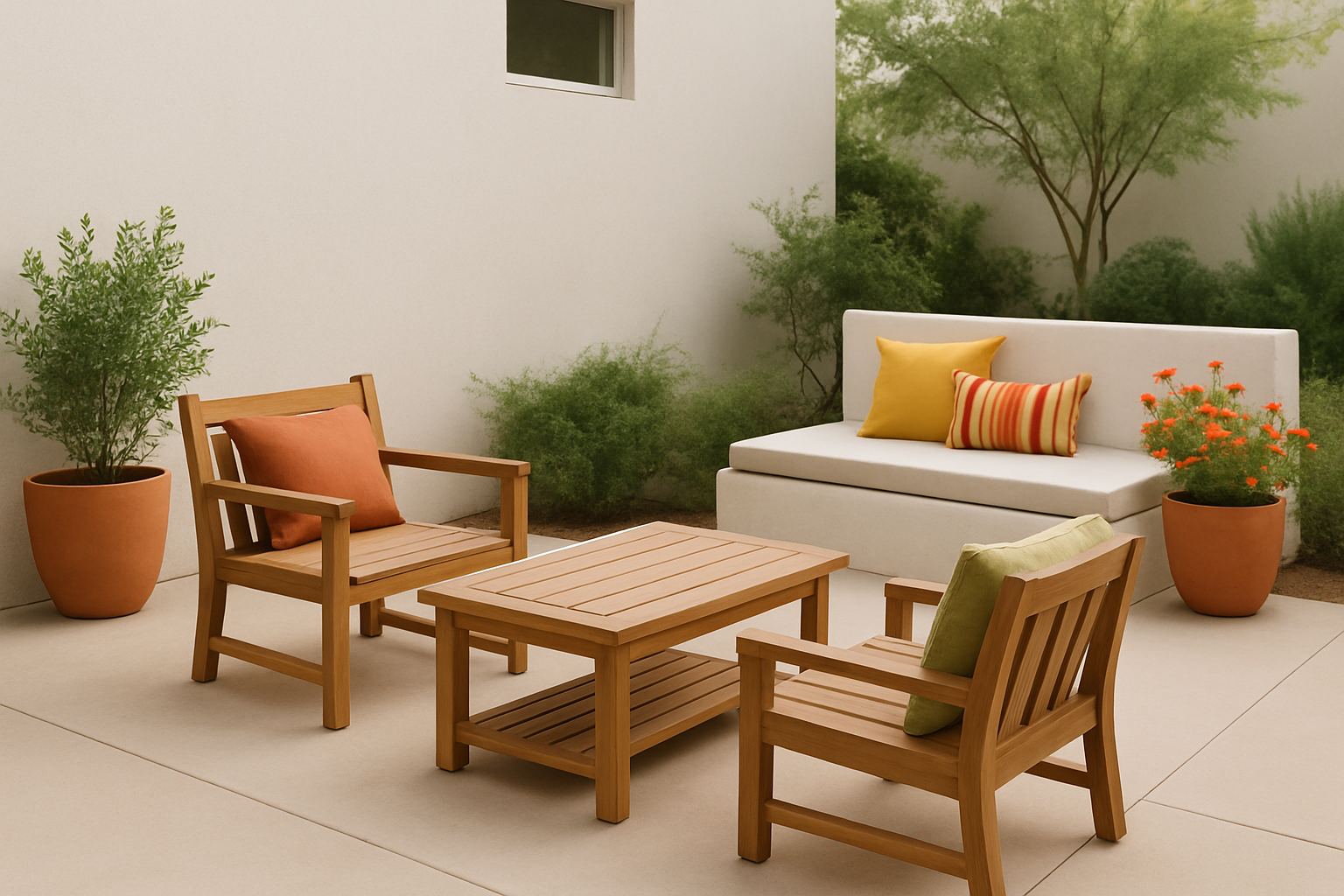
An effective outdoor living area marries beauty with function. Durable furniture withstands weathering while providing comfort for extended use. Style choices, from vibrant planters to custom benches, allow personalization that complements the overall design.
Whether the space serves as a retreat with minimalist features or a lively gathering spot with bold accents, thoughtful balance ensures it meets practical needs without sacrificing visual interest or personal expression.
Frequently Asked Questions About Outdoor Living Spaces
Q: How can I design an outdoor space if my budget is limited?
A: Start by acquiring affordable basics such as secondhand dining tables or creating DIY fire pits. String lights and potted plants add charm without high costs. Expanding gradually allows for improvements over time that fit financial plans.
Q: What materials last best for outdoor furniture?
A: Options like teak, aluminum, and all-weather wicker are favored for their combination of aesthetics and durability. Cushions made from UV-resistant fabrics such as Sunbrella help prevent fading and stay comfortable.
Q: How do I use outdoor spaces during colder months?
A: Heating elements like fire pits or outdoor heaters extend usability. Additionally, covered structures and weatherproof rugs provide warmth, making the area cozy year-round.
Q: Are outdoor kitchens a wise investment?
A: Outdoor kitchens can return 70 to 80 percent of costs upon resale and reduce dining out expenses. A simple grill setup can be a good starting point for cost-conscious homeowners.
Q: What upkeep does outdoor space require?
A: Regular sealing of hard surfaces, proper storage of cushions during off-seasons, and using low-maintenance plants reduce the effort needed to keep spaces inviting.
Conclusion Embracing Your Backyard as a Personal Sanctuary
Creating an outdoor living space is an opportunity to fashion a personal retreat right at home. Whether that involves a fire pit for cozy evenings or a full outdoor kitchen for memorable gatherings, the possibilities are extensive and adaptable.
Starting small can lead to meaningful transformation just as effectively as expansive renovations. The backyard becomes an essential venue for making memories, from family celebrations to quiet moments with a morning coffee.
Taking the first steps with ideas and plans unlocks the potential of your outdoor area, turning it into a sanctuary tailored to life’s varied rhythms.